1
Casa Única
Casa Única
Our small-scale South-side stay for guests who enjoy cooking, kayaking, walking and settling into the quieter rhythm of the Laguna.
Casa Única local guide
The Pueblos Blancos are best experienced as a day of small stops rather than one single attraction. Leave Casa Única and move through nurseries, town centers, pottery, old railway infrastructure, local history and folklore — places where everyday life is still part of the visit.
Our full-day circuit runs Casa Única → Pacayita → Catarina → Comarca El Túnel → Niquinohomo → San Juan de Oriente → Diriá → Diriomo. You do not need to rush every stop; the point is to wander, talk to people and see how craft, plants, history and family life still shape these towns.
This route is less about checking attractions off a list and more about moving through a landscape of nurseries, pottery, wooden furniture, plazas, local history and small family businesses. The stops are scattered, but together they make a natural full-day drive from Casa Única. Follow the route on the map, then slow down whenever something catches your eye.
The copper route follows the owner-approved sequence from Casa Única through Pacayita, Catarina, Comarca El Túnel, Niquinohomo, San Juan de Oriente, Diriá and Diriomo. The line is a road-following planning reference; open each Place in Google Maps for turn-by-turn directions.
Our small-scale South-side stay for guests who enjoy cooking, kayaking, walking and settling into the quieter rhythm of the Laguna.
Pacayita flower grower tied to the local November cemetery-flower tradition; browse and buy plants directly.
Hidden Pacayita nursery with lots of variety, especially cactus, local prices and friendly owners.
Casa Única’s favorite Catarina nursery for browsing and buying plants; ask for Ismael if he is there.
A small local secret in the center of Catarina, with archaeological pieces sometimes displayed inside the town hall.
A less-touristy glimpse of everyday Catarina, with local shops, street food, church and families around the park.
Roadside railway vestige where the old train line serving the Pueblos passed; you can walk inside the surviving tunnel.
Small Niquinohomo house museum about Sandino’s life and the period in which he lived there.
Central San Juan de Oriente reference point for pottery, pre-Columbian-inspired art, murals and artisan life.
A simple town-center pause for rustic architecture and everyday rural life.
A public local listing connected to Diriomo’s folklore of curanderismo and “white magic”; approach respectfully as a cultural encounter.
Start here. From Casa Única, drive up from the Laguna toward Pacayita; the first stops are the flower growers and nurseries before the circuit continues through the Pueblos Blancos.
Jardín Don Francisco is especially meaningful around Día de los Fieles Difuntos, when local families cultivate and cut traditional flowers for the November 2 cemetery tradition — including varieties known locally as milflores, disciplinas, jalacates and botón, alongside chrysanthemums, daisies, lilies and gladiolas. Walk in, browse and buy plants; 10–15 minutes is enough for a first look.
Vivero El Pelón is the hidden stop: lots of flower variety, an especially good cactus selection, very local prices and friendly people who are usually happy to chat. Walk in, browse and buy plants during the day.
Jardín Lirios del Campo is our favorite place to buy plants. If Ismael is there, say hello — he is generous with his time and can show you the different plants and flowers. Allow around 20 minutes.
The Alcaldía is a small Casa Única secret: step inside and you may find archaeological pieces on display. It is a quick stop in central Catarina before continuing through the town.
Park anywhere around central Catarina and walk. Around the Parque Central, look for local shops, hot-dog stands, the church and families simply using the town center. It is less tourist-oriented than the famous mirador and a better place to feel everyday Catarina before continuing.
El Túnel is a short roadside history stop. The old railway passed through here on the line serving the Pueblos, and you can still walk into the surviving tunnel and see part of that infrastructure. There is no formal attraction setup or paid parking; simply stop safely by the road and allow about 10 minutes.
Nicaragua’s Pacific railway network operated for more than a century. Most of the main network closed at the end of 1993, leaving places like this as quiet physical reminders of an era when the train connected towns across the Pacific side.
Niquinohomo adds a different layer to the day. Casa y Museo del General Augusto C. Sandino is a small house museum in his hometown, focused on the period in which he lived there and on his place in Nicaragua’s 20th-century history. Allow roughly 30–45 minutes and ask at the door for the current entrance price and visiting hours.
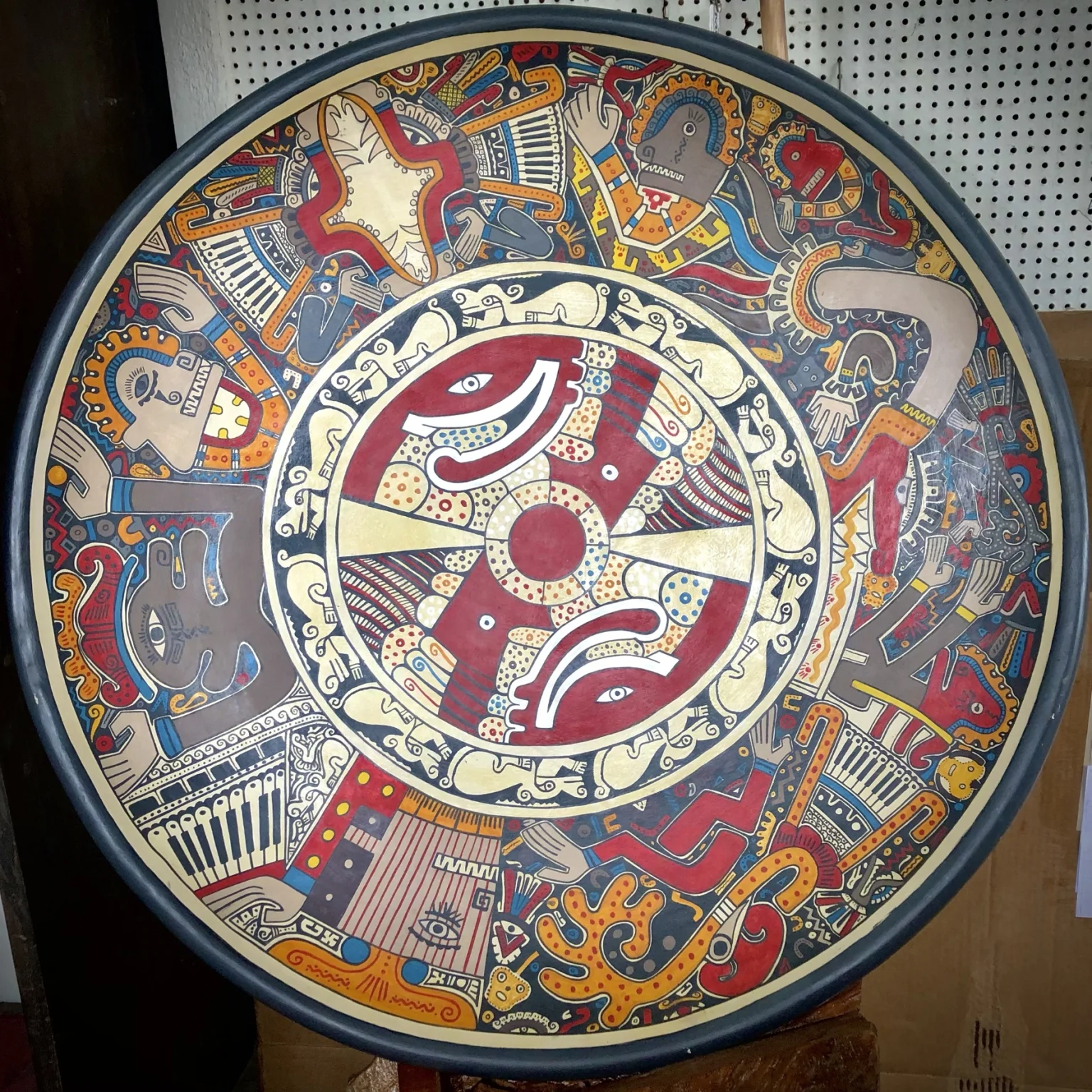
San Juan de Oriente is an essential stop in the circuit, but it already has its own complete Casa Única Guide. Use Plaza San Juan de los Platos as a central reference, then look for pre-Columbian-inspired street art, sculpture, murals, feathered-serpent motifs, souvenirs and serious pottery craftsmanship.
Allow 1–2 hours if you want to browse workshops properly. For the artisan history, our recommended workshops and how to visit them, open the full San Juan de Oriente Guide rather than treating this short stop as the whole story.
Parque Central de Diriá is mainly a reference point on the route, and that is exactly why we like it. Stop for 10–20 minutes, look at the rustic architecture and watch how families and young people use the central park. It gives the day a glimpse of ordinary rural life rather than another attraction.
If you want to turn Diriá into a bigger outing, Mirador El Boquete lies on this side and is covered in our Viewpoints Guide.
Diriomo is where the day can end with a completely different kind of local tradition. If you are curious about the town’s stories of white magic and curanderismo, Rosalba Millón is one public local listing where you can say hello and ask about the tradition. Be respectful, do not be shy about compensating someone for their time, and treat the visit as folklore and cultural encounter rather than a promise that a spell can fix a relationship.
The best part of the Pueblos Blancos is that the route never feels like a museum. Nurseries spill toward the road, furniture and bamboo work appear from small workshops, pottery is still made and sold directly, and town parks remain social spaces. Stop when something looks interesting. Buying a plant, a piece of pottery, food or a small craft directly from local families is part of the experience.
With about two hours, choose one direction: Catarina and back, or San Juan de Oriente and back. For a half day, focus on Pacayita, Catarina, Niquinohomo and San Juan de Oriente, leaving Comarca El Túnel, Diriá and Diriomo for another time. The full circuit is best when you can give it the whole day.
Go deeper in San Juan de Oriente, choose a Laguna viewpoint, or pair the circuit with another nearby Casa Única Guide.
Explore San Juan de Oriente, its pottery tradition and Casa Única’s recommended artisan workshops.
Read guide →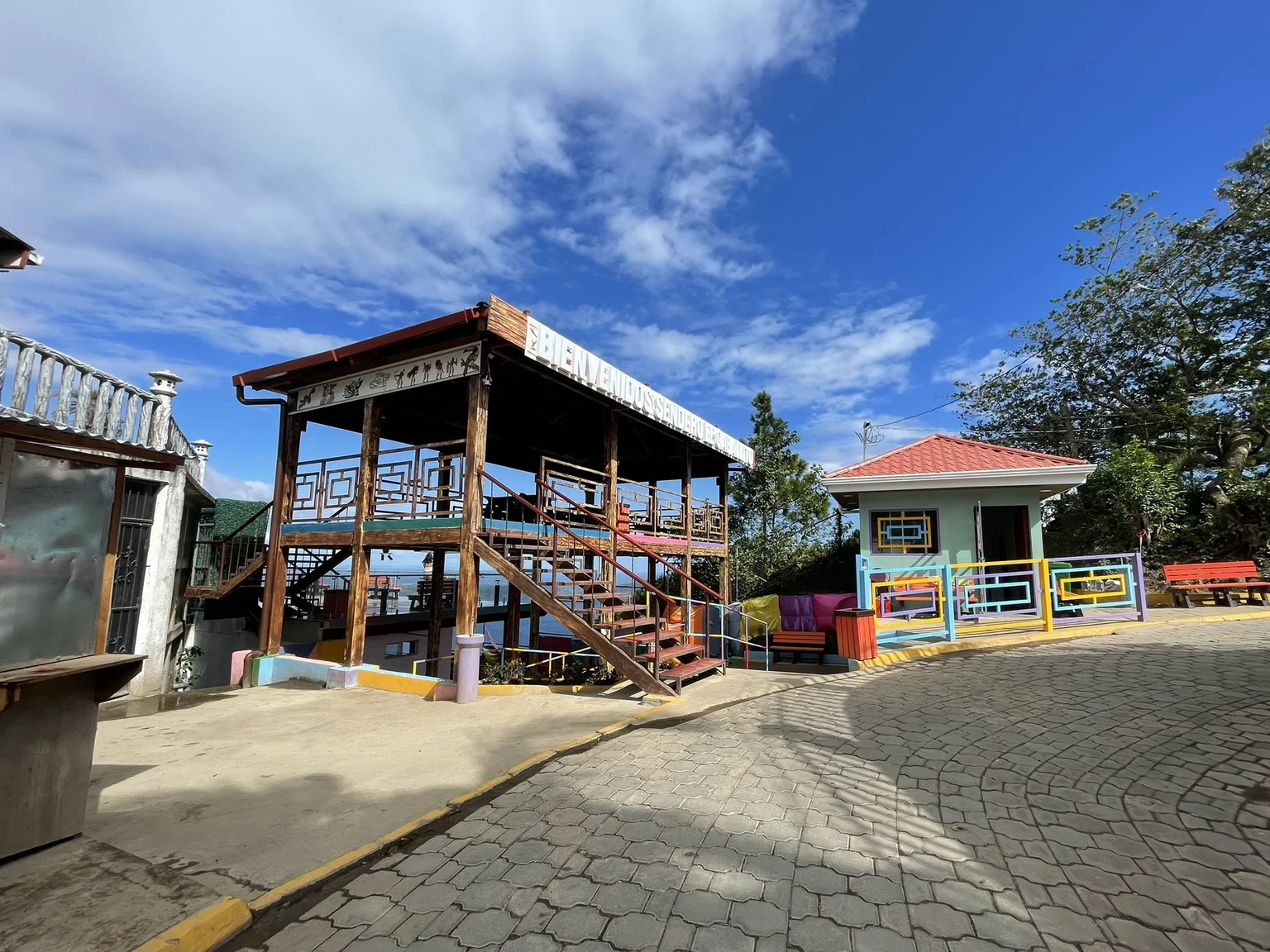
Seven different ways to take in the Laguna from the crater rim — quiet, local, adventurous or family-friendly.
Read guide →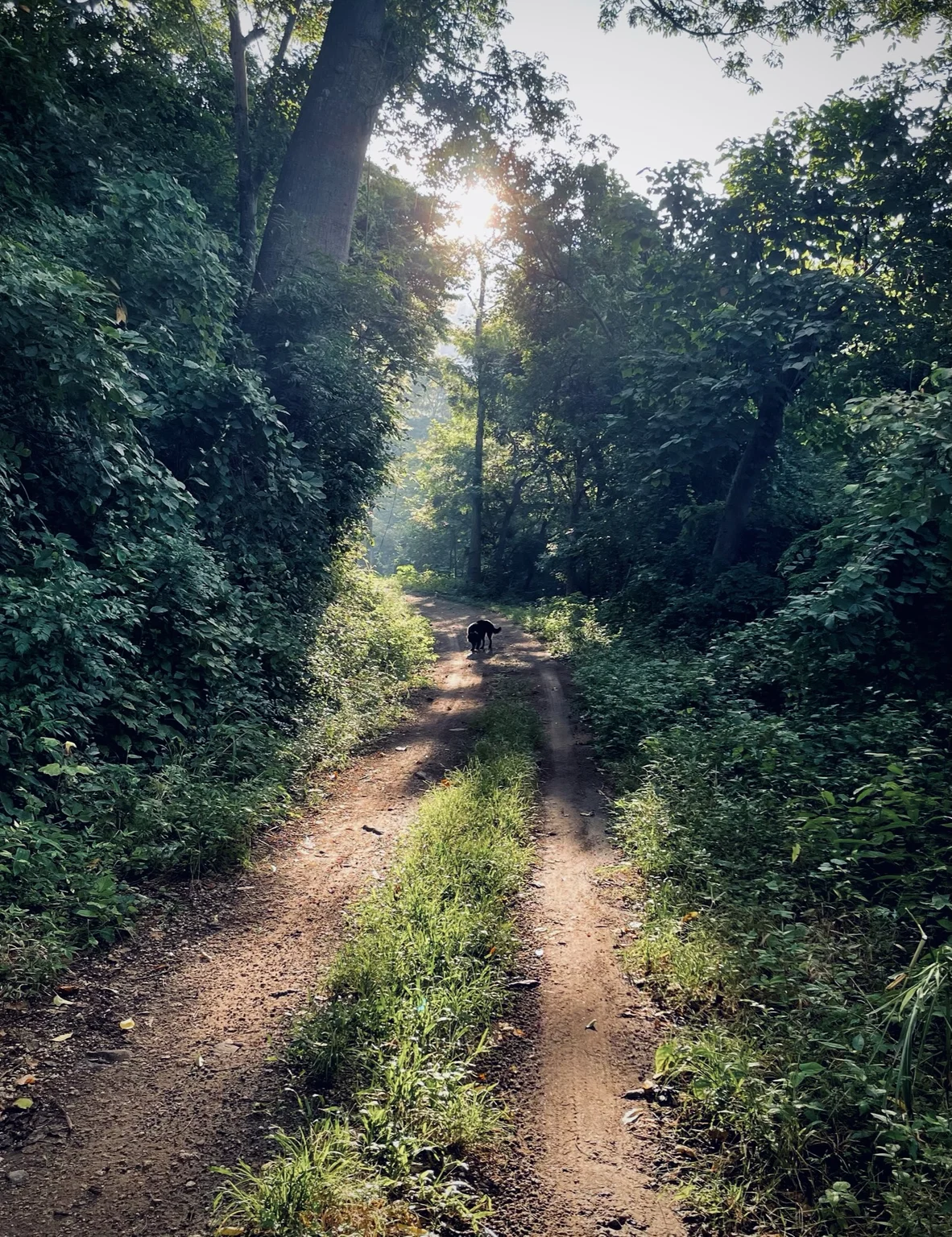
Follow the quiet road south from Casa Única for an easy walk to Diriá beach through the lower Laguna landscape.
Read guide →
A steep forest connection from the Laguna shore to upper San Juan de Oriente, with viewpoints and other stops once you reach the top.
Read guide →