
1
Casa Única
Casa Única
Our small-scale South-side stay for guests who enjoy cooking, kayaking, walking and settling into the quieter rhythm of the Laguna.
Casa Única local guide
About 100 metres south of the public beach, warm water emerges naturally along the shoreline of Laguna de Apoyo. At its source, the thermal water can reach around 60°C before trickling toward the lake and mixing with the cooler Laguna water. The result is a naturally warm place to swim, soak your feet and experience one of the most tangible reminders that you are inside an old volcanic crater.
Use the map to locate the public beach and the thermal springs about 100 metres to the south. The public beach is the simplest starting point from Casa Única.
Our small-scale South-side stay for guests who enjoy cooking, kayaking, walking and settling into the quieter rhythm of the Laguna.
From Casa Única, walk through the lower gate to the public beach and continue approximately 100 metres south. Depending on the lake level and shoreline conditions, you can either follow the shore itself or use the short path just inland.
The walk is easy overall. There is one small ditch where you briefly step down and climb back up, but no long or technical section is involved.
The thermal water does not arrive as a developed spa or constructed pool. It emerges naturally near the shoreline and trickles toward the Laguna.
At times, a few rocks around the outlet form a small natural basin where the hot spring water and lake water mix. You can feel the temperature changing as you move through the water, from the hotter area close to the source to the much larger volume of warm Laguna water around it.
Laguna de Apoyo occupies the crater of an ancient volcano, and geothermal heat is still present below the surface. Groundwater moves through porous volcanic formations and mineral-rich layers underground, where it is heated before finding its way back toward the Laguna.
The thermal water reaching the shoreline is sulfur-rich and emerges at temperatures of around 60°C. As it flows into the lake, it rapidly mixes with the surrounding water and becomes pleasantly warm.
One of the nicest things about the springs is that there is no single bathing temperature. Close to the source the water can be very hot, while only a short distance away it mixes with the Laguna and becomes comfortably warm.
You can warm your feet near the shoreline, sit or swim where the waters mix, or simply move farther into the Laguna until you find the temperature that feels best.
The water emerging directly from the thermal source can be around 60°C, so avoid putting your hands or feet directly into the hottest outlet without first testing the temperature.
Move gradually through the mixed water instead. Rocks close to the shoreline can also be wet or uneven, so take your time when entering and leaving the water.
The springs are enjoyable at any time of day, but sunrise and sunset can be especially beautiful. Around 5:30–6:00 a.m. and 5:30–6:00 p.m., the warm water, changing sky and crater walls can make this one of the quieter and more memorable places along the shore.
Conditions and daylight change through the year, so treat those times as a general guide rather than a fixed schedule.
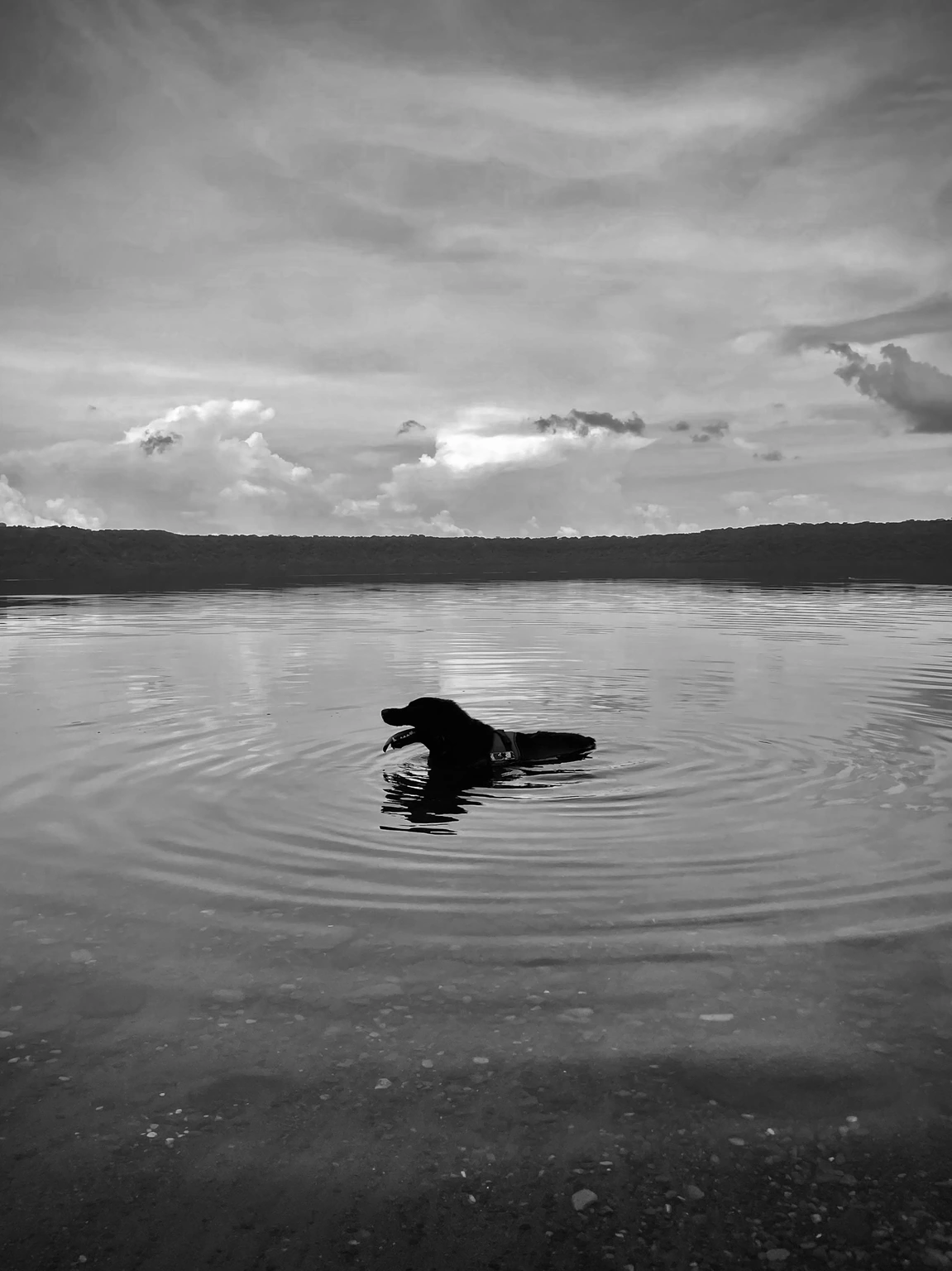
Swim from shore or paddle one of Casa Única’s three single kayaks toward La Islita, with direct beach access and practical lake guidance.
Read guide →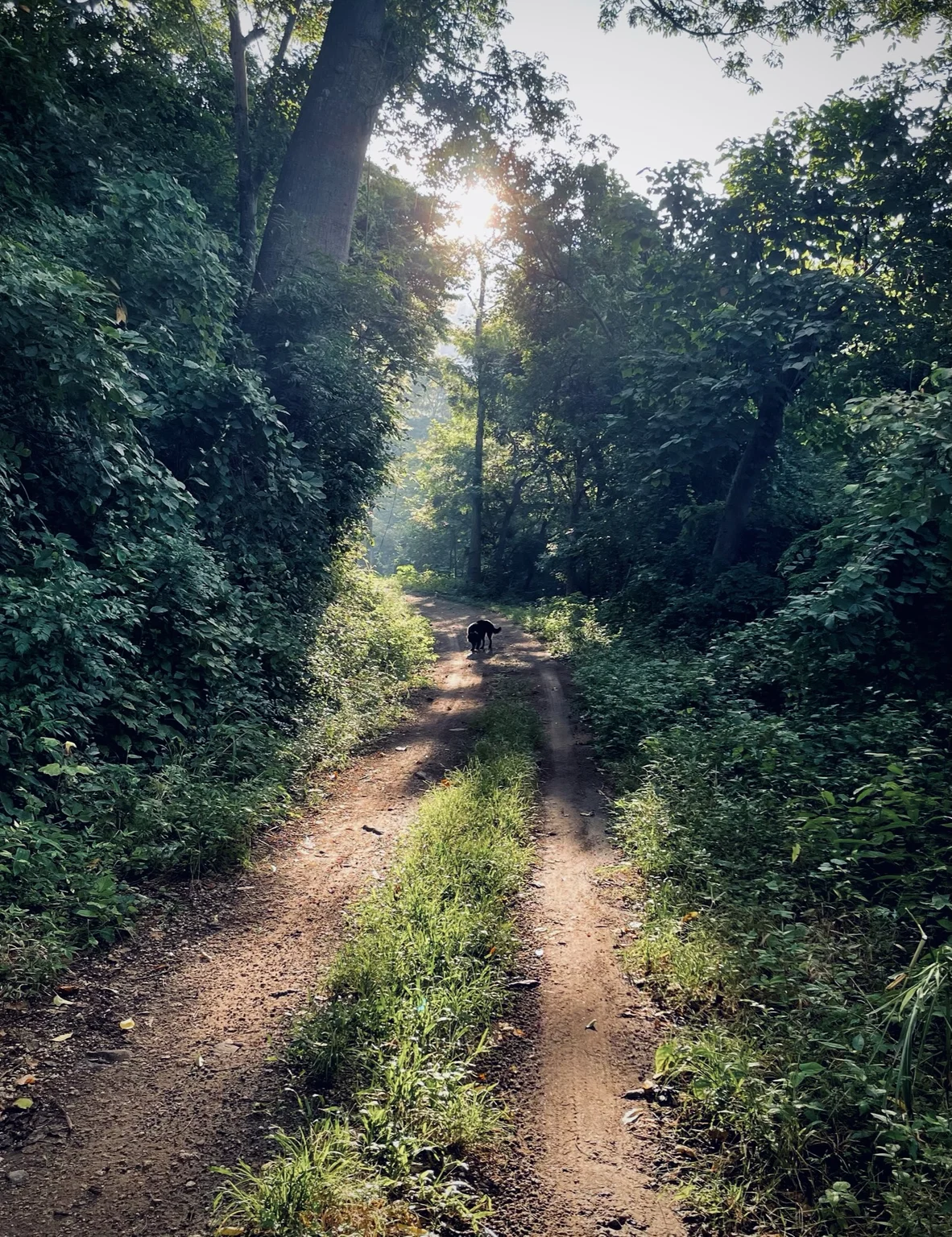
Follow the quiet road south from Casa Única for an easy walk to Diriá beach through the lower Laguna landscape.
Read guide →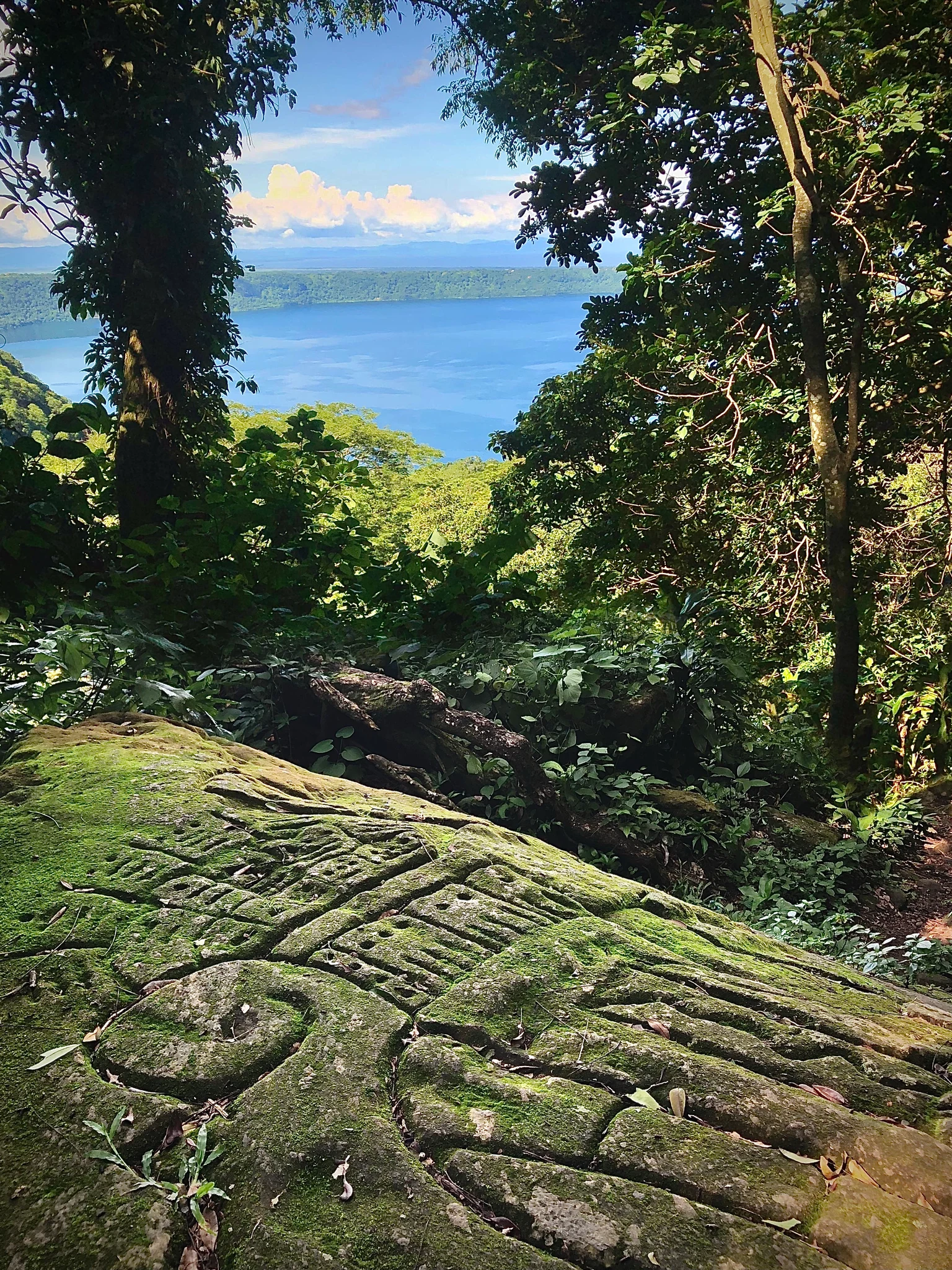
A steep forest connection from the Laguna shore to upper San Juan de Oriente, with viewpoints and other stops once you reach the top.
Read guide →
Five nearby activities around the southern side of Laguna de Apoyo, all connected to Casa Única’s local setting.
Read guide →